If you feel you need urgent (non-emergency) mental health support and would like to talk to someone, you can contact the CAMHS Mental Health Helpline - 0800 023 2133
Monday-Friday 5pm-11pm, Weekends & Bank Holidays 9am-11pm. Between 11pm-9am please contact NHS 111, option 2, to access mental health crisis support.
In an emergency: If you or someone else has seriously injured themselves, taken an overdose or are on the point of doing so, call 999 or go directly to A&E.
World Bipolar disorder Day is celebrated every year on the 30th March. Its aim is to improve awareness of bipolar disorder disorders and stop social stigma. Knowing about Bipolar disorder can help you to understand it and be supportive of those who experience it, whether this is about looking after yourself or supporting your family or friends with bipolar disorder.
What is bipolar disorder?
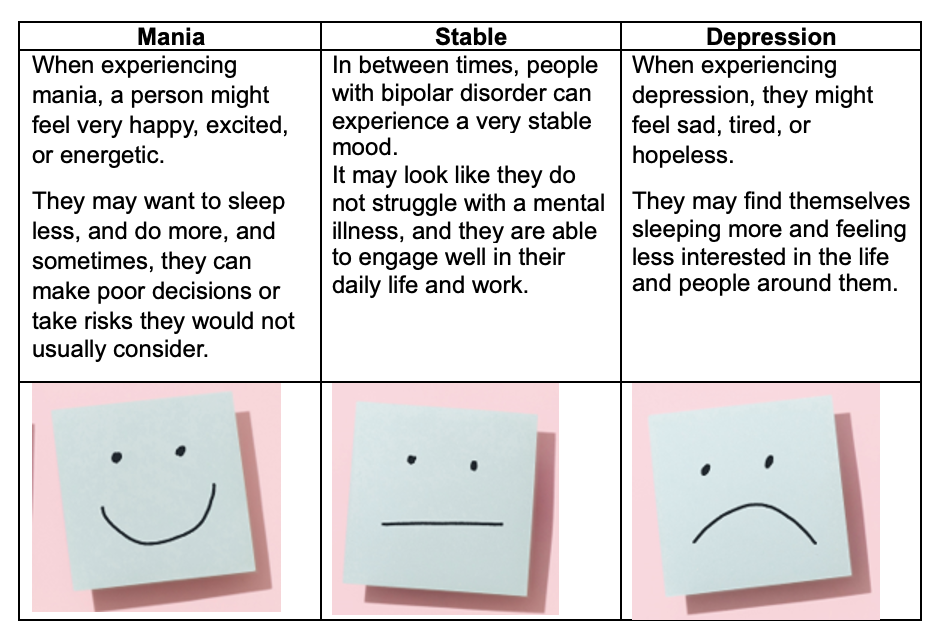
Bipolar disorder is a type of mental health disorder where people can experience extreme mood changes. This can include having times where they experience mania, and times where they experience depression. It might feel a bit like riding a rollercoaster.
Different people experience these mood swings at different rates, which has led to different types of bipolar disorder being identified. Mood swings might be daily, weekly, monthly, or more seasonal. However the person mood changes, it will fluctuate between a few different states, usually listed as Mania, Stable and Depression.
Symptoms of Bipolar disorder often start between the ages of 15 and 19, but this can also happen later in life. Sometimes, it can take time to diagnose, because each individual experiences different patterns of extreme mood changes, and unlike physical illnesses, there is not a blood test or scan to support diagnosis.
Mood swings or bipolar disorder?
It can also be normal to experience mood swings as a teenager, especially when experiencing puberty, because of hormone changes. Some women find their mood changes across their monthly cycle. Some people have physical conditions that can affect their blood sugar and their mood.
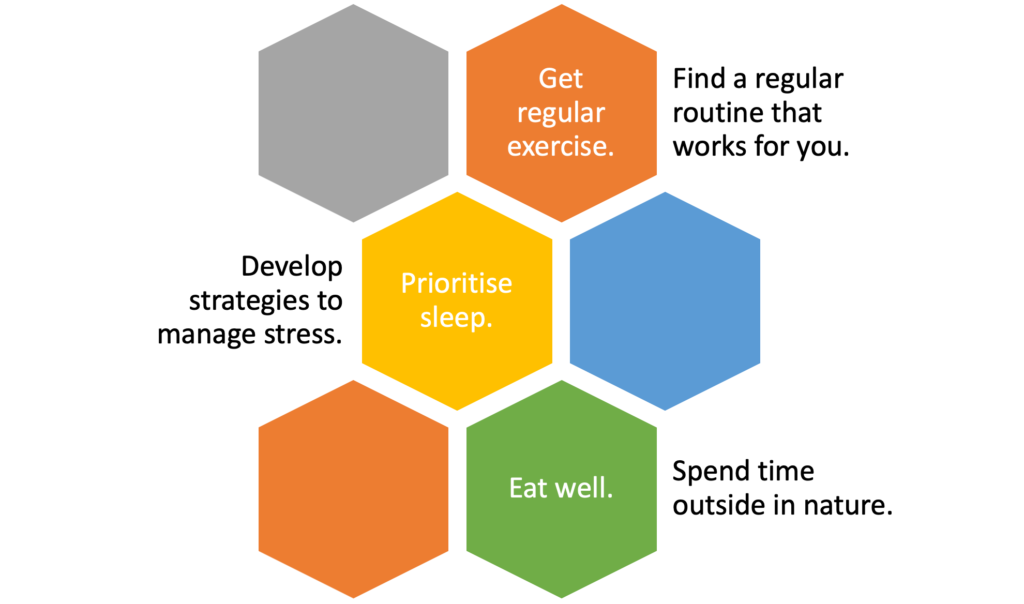
As with supporting bipolar disorder, there are things than can help to look after yourself and help manage any mood swings experienced.
If you are at all worried that the mood swings you experience are not a normal part of growing up, or response to acute stress, reach out to a professional who can help you get the support you need.
Help for Bipolar disorder?
Bipolar disorder is mostly treated with talking therapies and medication. There are also support groups, websites, and helplines you can reach out to, whether you struggle with bipolar disorder yourself, or are supporting someone who lives with bipolar disorder. If you are caring for someone with bipolar disorder, it can feel like a rollercoaster, and it is important you look after yourself too.