If you feel you need urgent (non-emergency) mental health support and would like to talk to someone, you can contact the CAMHS Mental Health Helpline - 0800 023 2133
Monday-Friday 5pm-11pm, Weekends & Bank Holidays 9am-11pm. Between 11pm-9am please contact NHS 111, option 2, to access mental health crisis support.
In an emergency: If you or someone else has seriously injured themselves, taken an overdose or are on the point of doing so, call 999 or go directly to A&E.
School takes up a big part of our lives, so it’s important to feel safe and happy there. But what if you feel anxious or scared about going back? It’s normal, especially after a long break like the summer holidays for worries to pop up.
Common Back-to-School Worries
You might worry about things like:
Getting up and ready on time
Changes at school
Having a new teacher
Making or keeping friends
Being liked by others
Speaking or reading in front of the class
School plays
Understanding the work
Asking to go to the toilet
What’s for lunch
Forgetting things
Bullying
No worry is ‘silly’. Your feelings are valid.
Why We Feel Anxious
When worries get too big, they can make it hard to think about anything else. Your body reacts too, you might feel shaky, sweaty, dizzy or even angry. The good news? These feelings are temporary. They will pass.
Anxiety tricks us into thinking the fear will last forever but it doesn’t. The more we face our fears, the less scary they become.
Facing Your Fears
Yes, you can face your fears! Start small and build up step by step. Try this:
Make a ‘fear ladder’. Put the smallest fear at the bottom, working your way up to bigger ones above.
Tackle one small fear first. Stay with the feeling until it passes.
Use calming strategies like 2–2–4 breathing (in for 2 counts, hold for 2, out for 4) or fidget toys to help you stay calm.
Notice how the anxiety drops over time, like riding a scary ride that gets easier each time.
5 Ways to Wellbeing
Try these tips to boost your mood and confidence:
Connect — Talk to someone you trust: a parent, teacher, friend — even a pet!
Be Active — Moving your body releases feel-good chemicals. Dance, walk, stretch!
Learn — Try something new just for fun. It builds confidence.
Give — Acts of kindness help others and lift your mood.
Take Notice — Pause and enjoy the moment. Deep breaths and favourite songs help you stay present.
Be Prepared
A good routine can ease worries:
Pack your bag the night before.
Get lunch ready.
Set an alarm.
Switch off screens before bed.
Eat breakfast to stay focused and energised.
Building Confidence
Be kind to yourself — talk to yourself as you would a friend. Practise speaking confidently in front of a mirror or with a trusted adult. A ‘growth mindset’ helps too: remind yourself you’re learning and growing every day.
Bullying
Bullying is one of the biggest school worries and it can affect you for a long time. Your body reacts as if you’re in real danger. That’s normal.
What can you do?
Tell someone — a parent, trusted adult, or friend.
If you’re worried the bully will find out, ask for a private chat with a teacher.
Find safe spaces at school and block bullies on social media.
You have the right to feel safe at school don’t give up until you get help.
Use the 5 Ways to Wellbeing to look after yourself too.
Your Voice Matters
A young person shared:
“I had to walk through somewhere that felt unsafe to get to school and felt scared every day. The teachers didn’t protect me, so I stayed quiet but talked to my Mum and Dad. My advice: never ignore what’s happening. Speak to someone you trust. You’re not alone — talking makes you feel better and there’s always help.”
— Chloe, 17






 Try these tips to boost your mood and confidence:
 mindset’ helps too: remind yourself you’re learning and growing every day.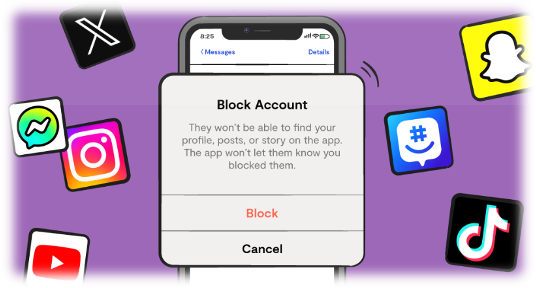
 Your Voice Matters