If you feel you need urgent (non-emergency) mental health support and would like to talk to someone, you can contact the CAMHS Mental Health Helpline - 0800 023 2133
Monday-Friday 5pm-11pm, Weekends & Bank Holidays 9am-11pm. Between 11pm-9am please contact NHS 111, option 2, to access mental health crisis support.
In an emergency: If you or someone else has seriously injured themselves, taken an overdose or are on the point of doing so, call 999 or go directly to A&E.
Life Can Feel Like a Rollercoaster: Understanding Stress 🎢
Your Body’s Response to Challenges
Stress is how your body responds to pressure. Think of it like your body’s alarm system – sometimes it helps you, and sometimes it might feel too much. Everyone handles it differently, and that’s okay – you’re unique!
Good to know: A little stress can actually be helpful! It can give you the boost you need to:
Finish your homework on time
Do well in a performance
Stay focused when you need to
Different Types of Stress:
Quick Response Stress:When your body gets ready to handle something right away. Like when you’re:
About to give a presentation
Taking a test
Playing in a big game Your heart might beat faster and you might feel more alert – that’s your body helping you do your best!
Long-Lasting Stress:When worries stick around for a while, like:
Having a hard time at school
Dealing with problems at home This can make you feel tired and worn out over time
Big Event Stress:After something very scary or upsetting happens. These are serious events that might need extra help to cope with, like:
Accidents
Natural disasters
Losing someone you love It’s really important to talk to a trusted adult if you experience this kind of stress
How Stress Affects Your Body:
When things feel tough, your body releases special chemicals that help you feel stronger and more ready to handle challenges. It’s like having a built-in support system!
How can stress make us feel?
Anxious
Worried
Fearful
Sad
Angry
Frustrated
Drained
Burnt out
Alone
Remember: It’s OKAY to feel these things! You’re not alone, and there are always people who can help you.
And the physical symptoms?
Headaches
Stomach cramps
General feeling of being unwell
Unable to eat, or eating too much
Lack of sleep, or sleeping too much
How might we behave?
Isolating ourselves from social activities
Engaging in unhealthy habits or activities
Unable to focus
Problems in our relationships
Remember: It’s okay to ask for help when stress feels too big to handle on your own! 💫
Tip: Be kind to yourself. Everyone experiences stress differently, and that’s completely normal! 💕
So, what can we do to help ourselves?
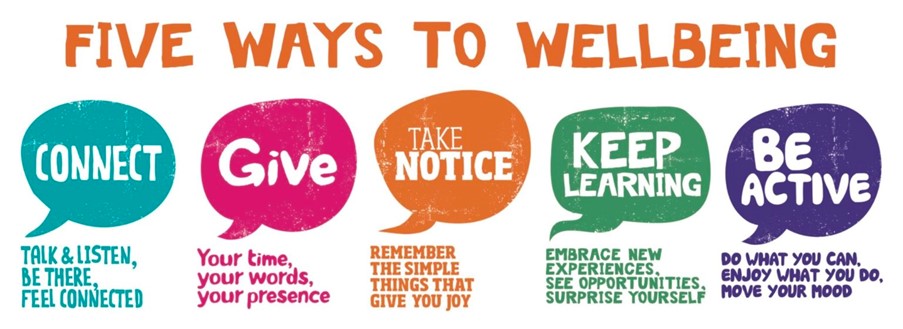
Here at Wiltshire Children and Young People’s Emotional Wellbeing Service, we promote the Five Ways to Wellbeing and all of these can help when we feel stressed. But practicing them even when we are not stressed, can prevent stress from escalating
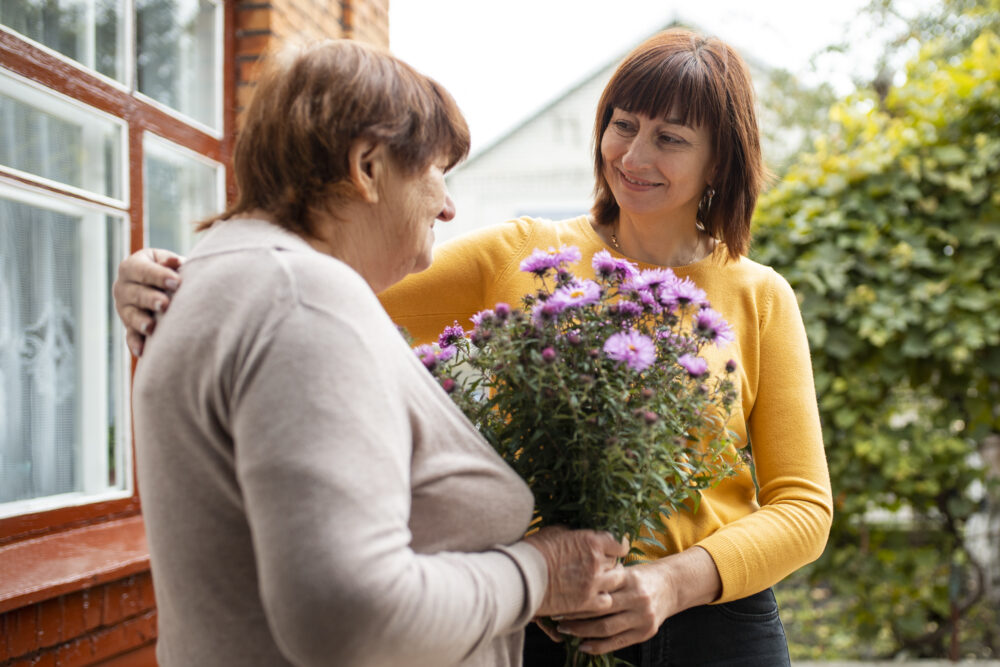
Connect With Others – Speaking with someone about things we are finding difficult is one of the best ways to offload our thoughts and worries. Often, we find others are sharing the same experience and we may be able to help each other through. We could connect with a parent, trusted adult, teacher, or friend.And although they may not speak back, a pet is one of the loveliest beings to connect with, remember, connection is more than just words.
Get Physically Active – Moving our bodies is a great way to get rid of stress. When we move, our brain produces endorphins which are our natural ‘feel good’ neurotransmitters. Try going for a walk, or dancing to your favourite song as you get ready in the morning.
Learn New Skills – This can boost our confidence and give us a sense of achievement. And it doesn’t have to happen in the classroom or be based on getting a qualification. Perhaps you’ve always wanted to know how to plait hair, or get sturdy… Why not give it a go.
Giving To Others – I have never yet heard of anyone being kind or helping someone and feeling bad about it. Even just a smile can really turn someone’s day around. As we face our own struggles, we can be sure that others are too, so giving out what we wish to receive can only be a good thing. You could try asking a friend if they are okay or helping at home by taking your dirty socks to the washing basket.
Take Notice Of The Present Moment – If we spend a lot of time thinking about the past, or worrying about what may happen in the future, we can forget to enjoy the moment that we are in right now. Try taking your mind off things by doing something that you love or listening to your favourite song. Take some deep breaths and really focus on the moment you are experiencing right now as it is happening.
When people are feeling stressed, they react differently. At times, you may feel like shouting and throwing things, or you might keep yourself away from everyone. Other times, when you may think you cannot cope, you might feel like crying but appear to others as angry and behaving aggressively.
Learning to deal with stress can take a lot of practice but it will be worth it.
Start to track times where you have felt stressed and look for patterns in how you reacted. What was happening when you felt stressed? What did you think, feel, do just before you felt stressed?
Once you are aware of difficulties that are likely to make you feel stressed you can take steps to prevent stress or deal with it quickly.