If you feel you need urgent (non-emergency) mental health support and would like to talk to someone, you can contact the CAMHS Mental Health Helpline - 0800 023 2133
Monday-Friday 5pm-11pm, Weekends & Bank Holidays 9am-11pm. Between 11pm-9am please contact NHS 111, option 2, to access mental health crisis support.
In an emergency: If you or someone else has seriously injured themselves, taken an overdose or are on the point of doing so, call 999 or go directly to A&E.
Bullying is when someone repeatedly treats another person in a way that is hurtful, upsetting or makes them feel unsafe. This could include:
Saying unkind things
Making fun of someone
Spreading rumours
Leaving someone out on purpose
Physical aggression
Sending hurtful messages online
It is important to remember that bullying is never your fault. Nobody deserves to be treated unfairly or made to feel unsafe.
How Can Bullying Affect You? – your Emotions and feelings
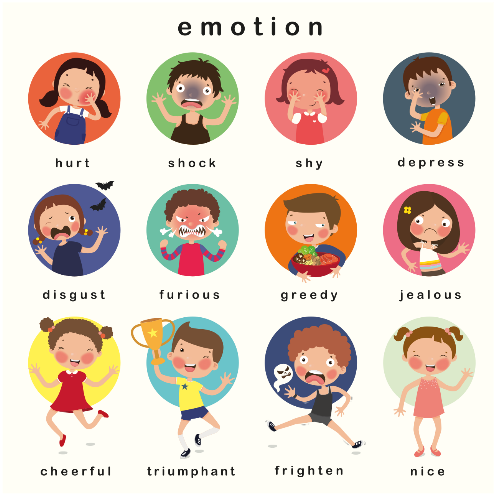
Being bullied can affect how you feel about yourself and others. You might experience:
Sadness or feeling low
Worry, anxiety or fear
Anger or frustration
Embarrassment or shame
Loneliness or isolation
Feeling unsafe
Reduced confidence and self-esteem
These feelings are a normal response to a difficult situation.
How Can Bullying Affect Your Thoughts?
Bullying can sometimes change the way you think.
You might:
Start doubting yourself
Believe negative comments are true
Worry about what other people think of you
Feel less confident in your abilities
Find it difficult to concentrate
Overthink situations
Expect people to judge or reject you
Remember:
What someone says about you is not who you are.
You are much more than another person’s opinion. Think about your strengths, your achievements, the people who care about you and the qualities that make you unique.
How Can Bullying Affect how you behave
Sometimes difficult feelings show themselves through our behaviour.
You might:
Avoid school or certain places
Spend more time alone
Withdraw from friends or family
Stop doing activities you usually enjoy
Feel more irritable or angry
Find it difficult to trust people
Avoid social situations
How Can Bullying Affect Your Body?
When we experience stress or worry, our body can be affected too.
You may notice:
Difficulty sleeping
Feeling tired more often
Headaches
Stomach aches
Changes in appetite
Feeling tense or on edge
Understanding Yourself
Sometimes you may find yourself acting differently and not understand why.
You can ask yourself some really important questions
Why am I acting this way?
What might I be feeling right now?
Has something happened that is affecting me?
What do I need at this moment?
Who can support me?
It’s okay if the answer doesn’t make sense straight away.
Everyone experiences things differently. What affects one person may not affect another in the same way. We all have different experiences, personalities and ways of coping.
Remember:
Behaviour is communication.
Instead of asking, or thinking
“What’s wrong with me?”
Try asking:
“What has happened to me?” “What am I feeling?” “What do I need right now?” “Who can help me?”
Try to be patient and kind with yourself. Understanding your feelings takes time.
Looking After Yourself
When we are feeling upset or worried, self-care can help us feel better more balanced and supported.
You could:
Listen to music you enjoy
Dance, sing or be creative
Spend time outdoors
Take part in physical activity
Draw, write or enjoy a hobby
Spend time with a pet
Talk to a friend
Get enough sleep
Take breaks from social media
Small acts of self-care can make a big difference to your wellbeing.
Questions to ask yourself
Take a moment to think about how you are doing.
About You
How have I been feeling recently?
What emotions am I experiencing most often?
Is anything making school, home or friendships difficult?
What helps me feel safe, calm or happy?
What is something positive about myself that I am proud of?
About My Thoughts
What have I been thinking about lately?
Am I being kind to myself?
Is there something I am worried about?
What support might help me right now?
If I Notice a Friend Struggling
Does my friend seem sad, worried or withdrawn?
Have they stopped doing things they usually enjoy?
Have they been left out or treated unfairly?
How could I show kindness and support?
Is there a trusted adult who could help?
Talking to Someone You Trust
You do not have to deal with bullying on your own.
You could talk to:
A parent or carer
A teacher
A trusted family member
A school wellbeing or pastoral staff member
Another trusted adult
If talking feels difficult, you could:
Write it down
Send a text or message
Draw your feelings
Use a feelings scale
Asking for help is a sign of strength, not weakness.
You deserve to feel safe, respected, valued, and accepted.
Bullying can affect your emotions, thoughts, behaviour, and wellbeing but it does not define who you are. Whether you are struggling yourself or worried about a friend, reach out.
You are not alone, your feelings matter, and there are people who want to help. 💙